
Unveiling the Magic: A Guide to Mastering the Art of Book Talks
Discover the magic of book talks! Our guide explores the art of engaging an audience, from choosing the perfect book to crafting compelling introductions and fostering interactive discussions. Turn your next book talk into a captivating journey that inspires and excites readers.
Introducing the New Phonics Fun Decodables Collection!
Decodable text has never been more accessible! Interesting storylines, charming art, and phonics lessons based on the Science of Reading help developing readers grow their skills.

Nurturing Hearts and Minds: How Reading Skills Cultivate Social-Emotional Learning and Boost Self-Esteem
Discover how reading cultivates empathy, emotional intelligence, and self-esteem. Learn how developing reading skills fosters Social-Emotional Learning (SEL) and equips students with the tools to navigate their emotional landscape and build positive self-concepts.
A Dynamic Duo: The Importance of Both Fiction and Nonfiction in Building Literacy Skills
Explore the vital roles of fiction and nonfiction in literacy development. Learn how these genres enhance empathy, creativity, critical thinking, and knowledge expansion, creating a balanced and enriched reading experience for students.
Cultivating Inclusivity: A Guide to Evaluating and Enhancing Diversity in Your Classroom Library
Promoting emergent literacy in young children is a collaborative effort involving educators and families. Here are strategies that both educators and parents can use to foster the development of emergent literacy skills in children:
How Can Educators and Families Promote Emergent Literacy in Young Children?
Promoting emergent literacy in young children is a collaborative effort involving educators and families. Here are strategies that both educators and parents can use to foster the development of emergent literacy skills in children:
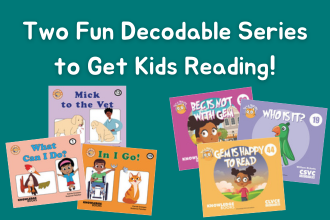
Two Fun Decodable Series to Get Kids Reading
Decodable books don’t have to be boring! The surge of interest in decodable books and decoding skills have led to a surge of new books on the market designed with both the Science of Reading and the enjoyment of kids in mind.
Embracing Diversity: 6 Ways to Welcome Students Back to an Inclusive Classroom
Learn six impactful ways to welcome students back to an inclusive classroom. Discover personalized greetings, diverse decor, culturally responsive curriculum, community-building activities, inclusive language, and year-round diversity celebrations. Foster a sense of belonging and celebrate diversity every day.

Carving Moments, Cultivating Minds: Making Time for Reading in the Classroom and at Home
Discover how dedicated reading time in classrooms and at home fosters literacy, creativity, and a lifelong love for books. Learn tips for creating inviting reading spaces, integrating reading into various subjects, and empowering students with choice. Engage with literacy specialists to enhance home libraries and family reading rituals.
Navigating High/Low Books: Strategies for Comprehensive Understanding
Discover effective strategies to enhance comprehension of high/low books. Learn pre-reading activities, during reading techniques, interactive methods, and post-reading reflections to support diverse learners. Ensure every reader enjoys a rewarding literary journey.
Do you have enough books aligned to your ELA curriculum?
Discover how to evaluate and enhance the alignment of your classroom library with your ELA curriculum. Learn about scope and sequence, standards alignment, diversity, genre variety, readability, and more to support robust literacy instruction.

Building Bright Futures: Five Reasons to Help Students Create At-Home Libraries (And How to Do It)
Discover why creating at-home libraries for students is crucial for fostering a love for reading, promoting independent learning, and more. Learn practical tips and strategies to build personalized book collections that inspire young readers.
Balancing Decodable and Leveled Texts
Discover Dr. Bethanie C. Pletcher's insights on integrating decodable and leveled texts to enhance decoding skills and foster a love for reading in children. Learn practical strategies for balanced literacy.
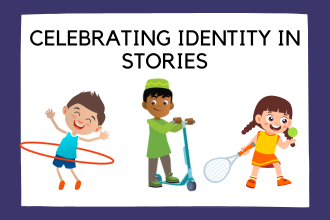
Celebrating Identity in Stories
Recognizing the significant impact that books have, particularly in the initial steps of a young learner's adventures in literature is important. As we navigate this blog, we’ll delve into why it is not just beneficial but crucial for students to encounter characters that mirror the diverse tapestry of their identities and experiences.
Bridging the Literacy Gap: The Importance of High/Low Books in Helping Readers Finish Their First “Real Book”
Finishing a "real book" is a milestone in a student’s life. For struggling or reluctant readers, high/low books stand as invaluable markers, offering a bridge between accessibility and engaging content, giving them a taste of success and helping to grow their reading stamina. We frequently hear from students that our high/low books are the first “real book” they’ve ever finished, helping them begin to identify as readers. Today we'll explore the significance of high/low books in helping readers finish their first "real book" and the transformative impact this experience can have on their reading journey.
What Comes After Decodables? High/Low Books as a Resource
As educators and curriculum specialists, we understand the importance of providing students with the right tools to foster their reading development. Decodable books have long been a staple in literacy instruction, offering early readers the opportunity to practice phonics skills in context. But what comes next after mastering phonics? Enter high/low books—a valuable resource that bridges the gap between decoding and comprehension, offering a multitude of benefits for students at various reading levels.
How Can Technology Be Effectively Integrated Into Early Literacy Instruction?
Technology can be a valuable tool when effectively integrated into early literacy instruction. Here are ways to use technology to support and enhance early literacy skills:
Ensure a Strong Start for Young Readers
The early stages of literacy development are crucial for young readers. They help young learners develop foundational skills for their success as young readers and lifelong learners.
Different Kinds of Literacy: A Dive into Informational, Content, and Functional Literacy
Literacy is a critical part of education, supporting students’ ability to navigate various types of texts and contexts effectively. Let’s explore four key types of literacy: informational, content, and functional literacy.
What Strategies Are Effective for Supporting Struggling Readers in the Early Stages of Literacy Development?
Supporting struggling readers in the early stages of literacy development requires targeted and differentiated strategies. Here are effective strategies for helping struggling readers in the early stages: